Interventional Endoscopy
Interventional Endoscopy
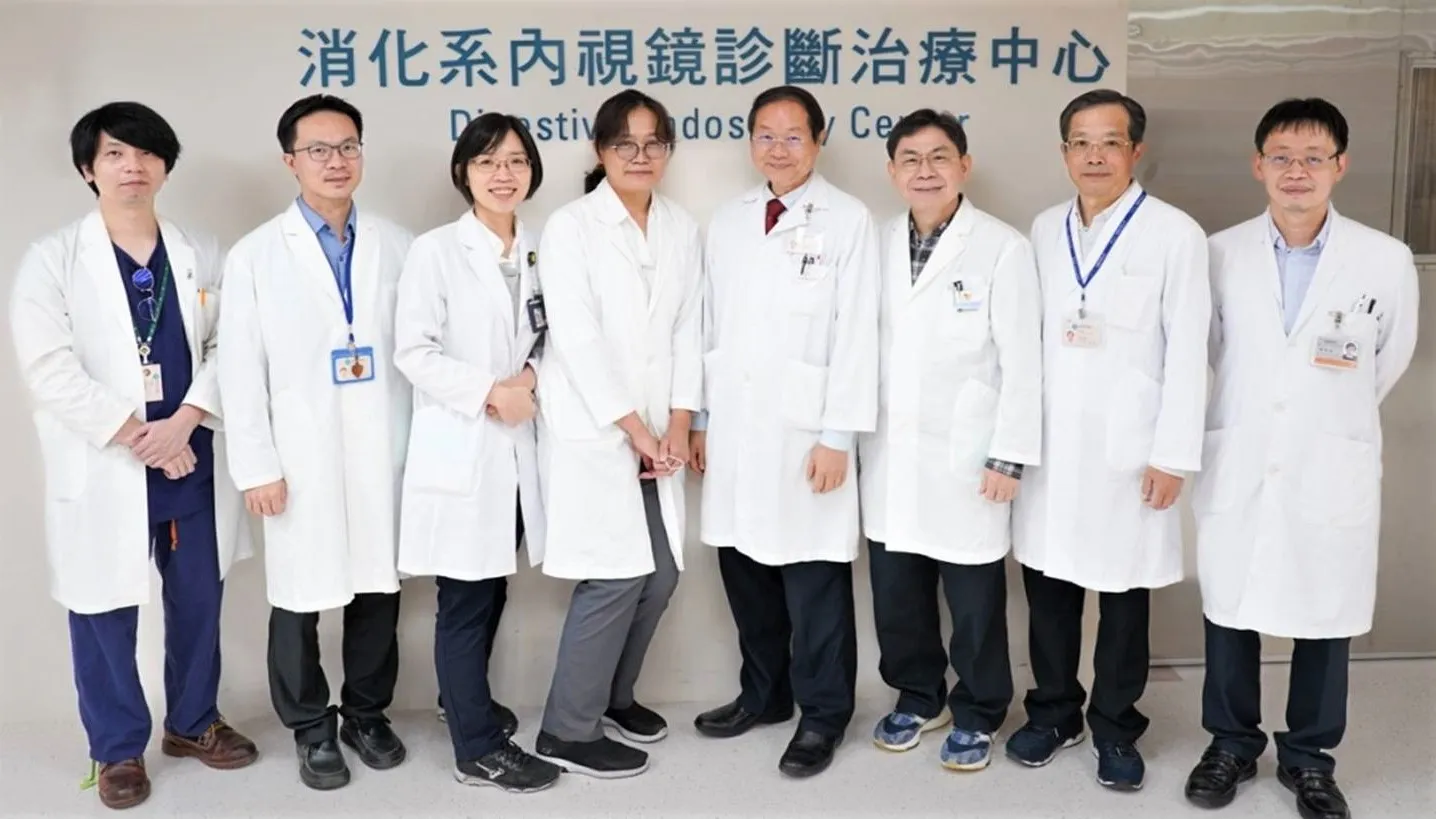
Team Introduction:
The Digestive Endoscopy Center was established in October 2014. We make great efforts to develop techniques in interventional endoscopy, including diagnosis and treatment of early digestive cancer and pancreaticobiliary diseases.
With the image enhanced endoscopy, we can diagnose precancerous or early cancer of the gastrointestinal tract more easily. Using minimally invasive endoscopic techniques, including endoscopic submucosal dissection (ESD) and endoscopic mucosal resection (EMR), we can detect the early stages of the cancerous lesions in order to help patients avoid major surgeries and improve their quality of life.
In addition, through the use of the cutting-edge device SpyGlass during ERCP, we can diagnose small-sized cholangiocarcinoma and extract huge biliary stones. We master interventional EUS, and offer the most accurate diagnosis of EUS-FNA/B. Moreover, we are rapidly developing EUS-guided drainage for pancreatic pseudocyst/wall-off necrosis and biliary trees to further avoid percutaneous drainage on patients, and to reduce the length of their hospital stay.
Outstanding Achievements:
- We are pioneers in making early diagnosis by using Lugol’s solution for oropharyngeal cancer screening.
- We have achieved a higher-than-average diagnostic rate of biomarker HER-2 for gastric cancer in Taiwan with the use of magnified high-quality endoscopy and EUS.
- We perform live educational demonstrations to our medical colleagues, while advancing new endoscopy techniques.
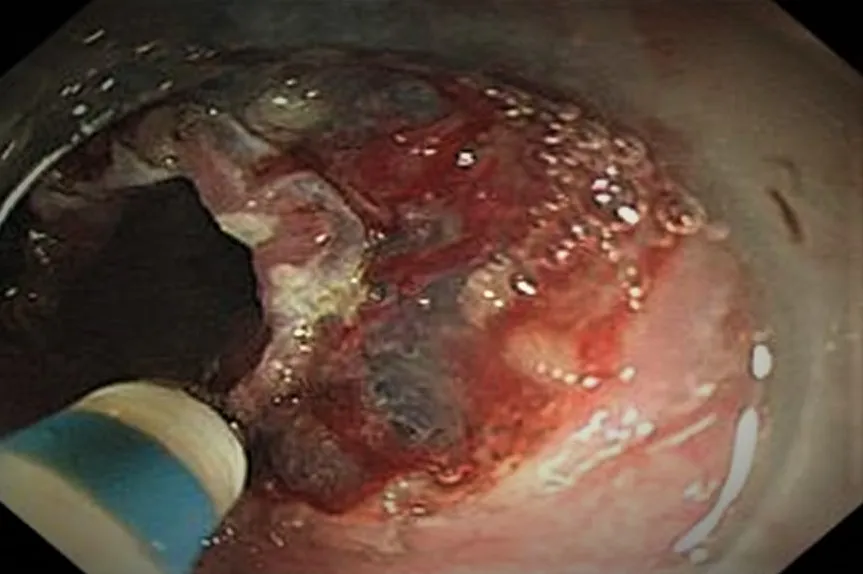
Advanced early esophageal cancer as seen using ESD.
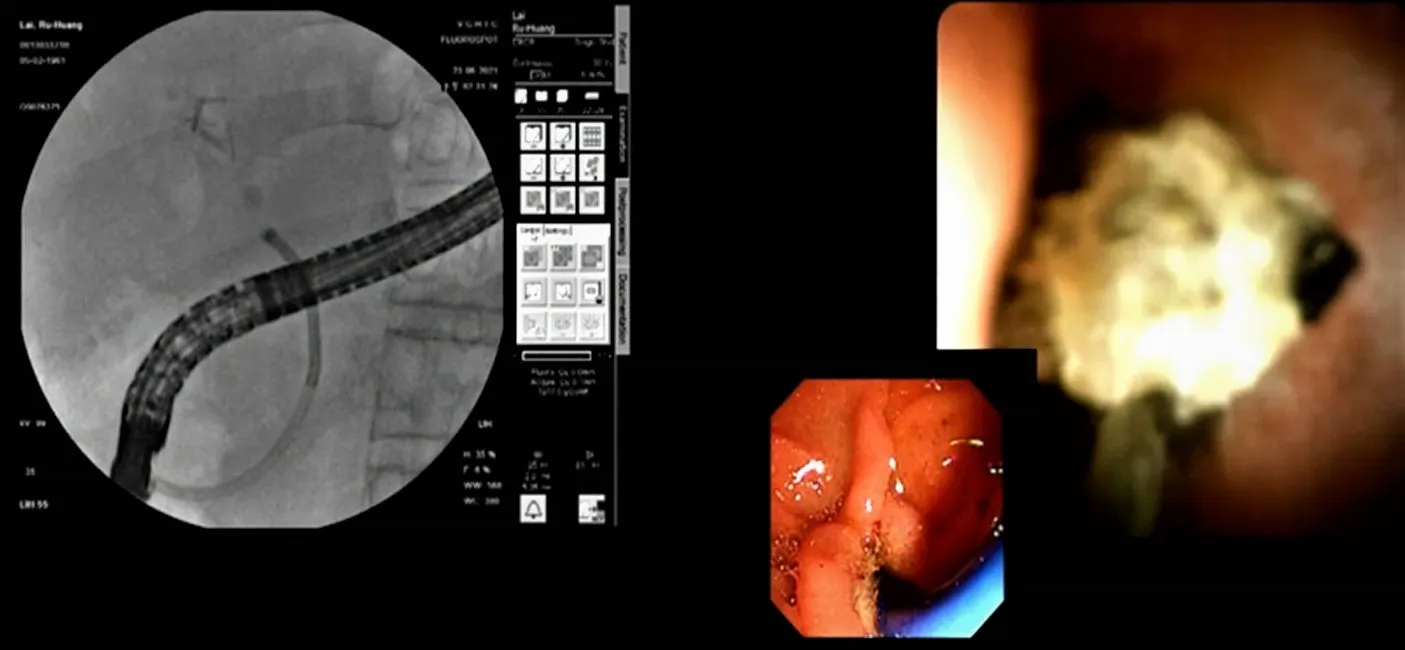
Use of a SpyGlass to extract huge biliary stones.