Comprehensive Head Neck Robotic Surgery
Comprehensive Head Neck Robotic Surgery
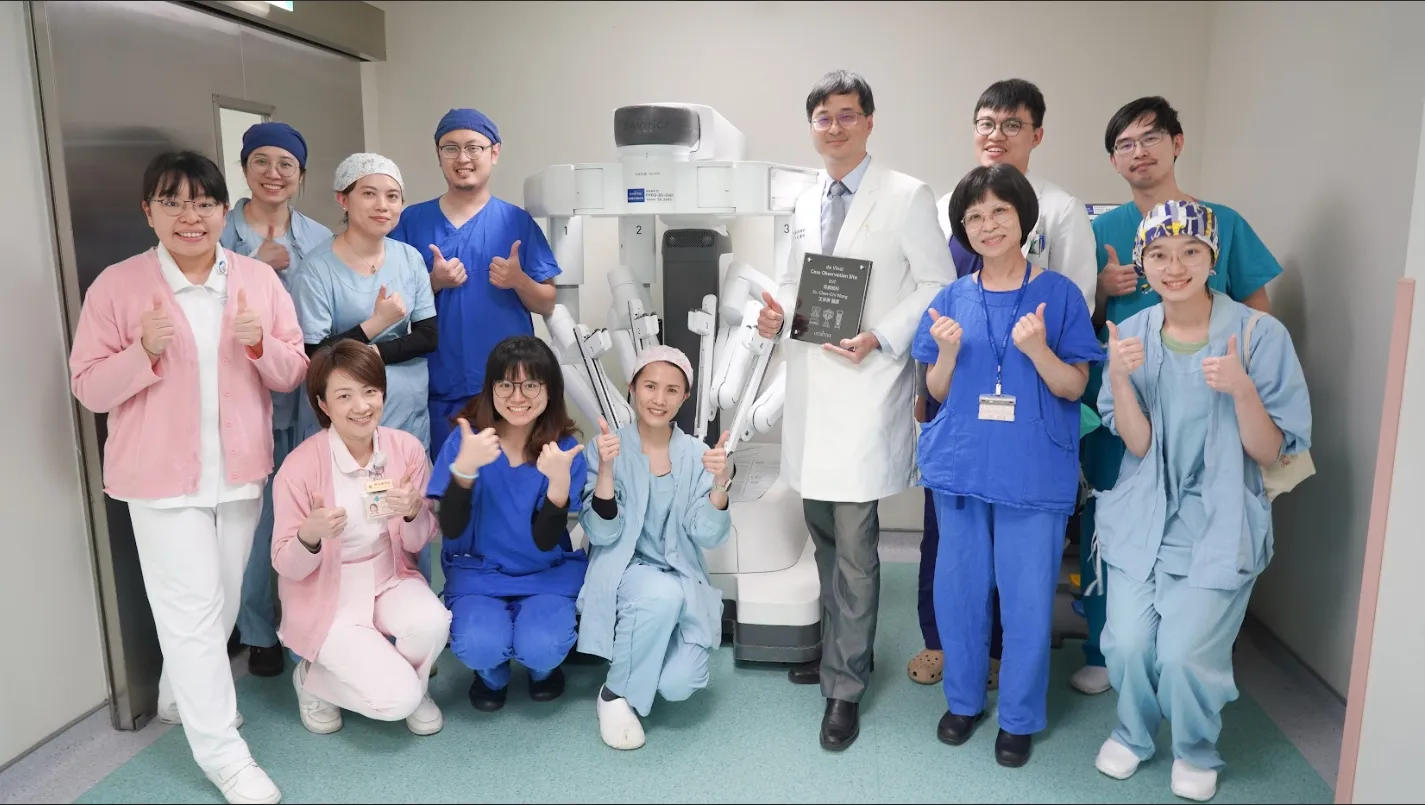
Team Introduction
Head Neck Robotic Surgery was developed in 2009 to minimize surgical trauma by removing upper airway tumors from the mouth. A second application was developed thereafter to spare a scar on neck by making a tunnel underneath skin and removing cervical tumors from a remote incision under the axilla or behind the ear. We are the first team to have performed “Comprehensive Head Neck Robotic Surgery” including both procedures in Taiwan since 2010. Our team includes experienced surgeons, nurses, surgical schedule managers, and speech pathologists and is equipped with two most modern fourth-generation Xi systems of da Vinci robots. With high-magnification 3D endoscopy and featured endo-wristed instruments, the da Vinci surgical robot allows surgeons to perform endoscopic surgery with more skill and better control, particularly in the limited space of the head and neck region. Our services involve two major categories – Trans-oral robotic surgery (TORS) and Esthetic robotic neck surgery (ERNS). TORS is minimally invasive surgery for better removal of benign or malignant upper aerodigestive tumors such as oropharyngeal, laryngeal, or hypopharyngeal cancer. We also take a post-aural or trans-axillary approach to remove tumors of the thyroid gland, submandibular gland, cervical lymph nodes, etc.
Outstanding Achievements:
- Continuous innovation: We have developed innovative techniques to treat early T1-T2 hypopharyngeal cancer and glottic cancer involving the anterior commissure without performing a tracheostomy. The long-term disease-specific survival rate is as high as 90%, with good laryngeal and hypopharyngeal functions post-surgery for the patients.
- Awarded techniques: We report the biggest cohort of TORS-assisted total laryngectomy for recurrent laryngeal cancers in the published literature. The practice was awarded the Symbol of National Quality in 2021.
- Global education:We have delivered more than 30 special lectures at international conferences and accommodated more than 20 domestic and foreign scholars for observation and training.
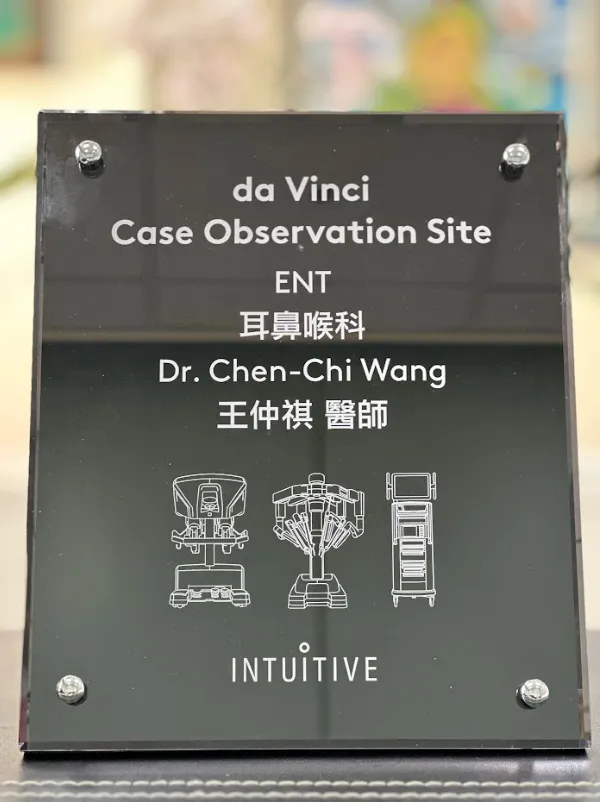
Our team is the first ENT da-Vinci Case Observation Site in Taiwan.